Last Updated on April 20, 2026 by DSNRY
Discover how layered storytelling separates established venues from the competition.
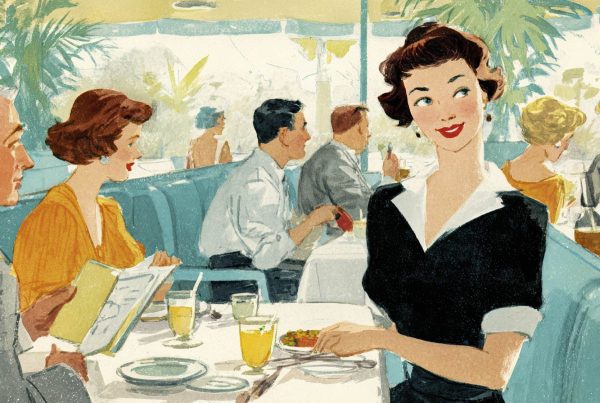
Most restaurants think they have a brand because they have a logo, a color palette, and a few decent photos on Instagram. That is not a brand. That is decoration. A restaurant brand becomes memorable when people can feel a point of view before they ever sit down, order, or scan the menu. That feeling is built through visual narrative: the way your space, photography, plating, signage, digital presence, and customer touchpoints all work together to tell one cohesive story.
In restaurant marketing, this matters more than many operators want to admit. Diners make fast assumptions. They decide whether your place feels premium, neighborhood-friendly, date-night worthy, chef-driven, family-first, or forgettable in seconds. If your visuals are inconsistent, generic, or disconnected from the experience you actually deliver, you create doubt. And doubt kills bookings.
The good news is that visual narrative is not just for trendy openings with big agency budgets. Established venues have a real advantage here. They already have history, personality, loyal guests, and operational proof behind them. The challenge is not inventing a story out of thin air. It is learning how to layer and present the one that already exists in a way people instantly understand.
Your Restaurant Is Already Telling a Story
Whether you manage it or not, your restaurant is communicating all the time. Your storefront says something. Your windows say something. Your host stand says something. Your menu design, your lighting, your chairs, your plateware, your typography, your website hero image, your reservation confirmation email, and your social feeds all say something. The question is whether they are saying the same thing.
This is where a lot of restaurants lose ground. They may serve thoughtful food and offer excellent hospitality, but visually they look like everyone else. Stock-style food photography, interchangeable interiors, generic menu layouts, and captions that sound like they came from an intern trying not to offend anyone. Safe marketing creates invisible marketing.
If your restaurant has been around for years, your edge is rarely novelty. Your edge is character. Maybe it is the ritual of service. Maybe it is a family legacy. Maybe it is the way regulars use the space. Maybe it is a deep connection to the neighborhood. Maybe it is the chef’s discipline and restraint. These are not soft ideas. They are marketing assets. But they need to be made visible.
A strong visual narrative takes those assets and turns them into signals diners can pick up immediately. The right guest should feel, “I know what this place is about,” before they ever read a full sentence.
What “Layered Storytelling” Actually Looks Like
Layered storytelling is not one photo shoot and a polished About page. It is the repetition of a clear brand perspective across multiple surfaces. Think of it as story architecture. One layer might be your food photography. Another is your space. Another is your team. Another is your menu language. Another is the way guests appear in your content. Another is the pace and tone of your videos. When all of those layers reinforce the same emotional message, your marketing starts to feel sharper and more expensive, even if your spend does not increase.
For example, if your restaurant wants to be known for warm, old-school hospitality, your visuals should not feel sterile or overly styled. You want signs of life: hands pouring wine, worn materials, a room with depth, familiar faces, close shots that feel intimate rather than slick. If you want to position as modern and ingredient-led, then cluttered visuals, heavy editing, and off-brand menu copy will work against you. Your story should not be told only in what you say. It should be visible in how everything is framed.
This is where many restaurants make a tactical mistake: they chase content trends instead of brand consistency. They post what seems popular instead of what feels true. That may buy short-term engagement, but it does not build distinctiveness. Distinctiveness is what helps diners remember you next Friday when they are deciding where to book.
Layered storytelling is also what helps established venues stay relevant without looking like they are trying too hard. You do not need to imitate newer brands. You need to become more legible. There is a difference.
Start With the Experience, Not the Camera
Before you brief a photographer or redesign your website, get brutally honest about the actual experience you deliver. Not the aspirational one. The real one. What do guests consistently mention in reviews? What do regulars love? What do first-time diners notice? What feeling are you strongest at creating? If you cannot answer that clearly, your visuals will drift.
I usually recommend that restaurants define three things before any visual refresh:
First, your emotional position. How should people feel in your restaurant? Relaxed? Celebrated? Curious? Taken care of? Energized? Exclusive? If you try to claim all of them, you end up with none of them.
Second, your proof points. What in the actual operation supports that feeling? It could be tableside service, a signature dish, an open kitchen, long-standing staff, local sourcing, a historic room, or a very particular pace of dining. These details become the raw material for storytelling.
Third, your visual rules. What should your images consistently emphasize? People or plates? Texture or polish? Movement or stillness? Brightness or shadow? Tight detail or wide atmosphere? Good restaurant marketing is opinionated at this level. It chooses.
That clarity makes content creation easier and better. Suddenly you are not asking, “What should we post this week?” You are asking, “What part of our story should we reinforce this week?” That is a much stronger marketing posture.
The Most Overlooked Visual Asset: The Room Itself
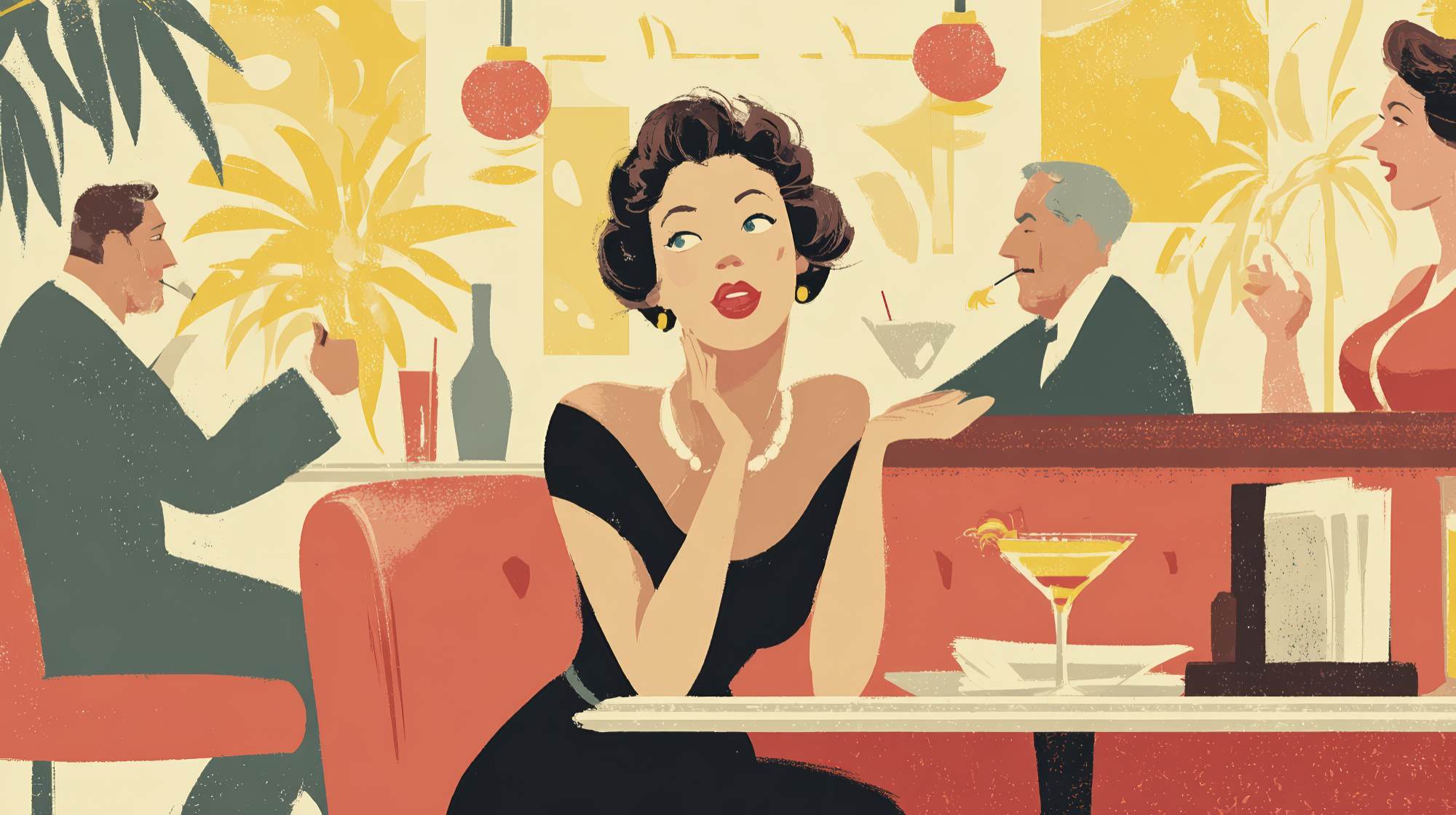
Restaurant marketers spend a lot of time talking about food imagery, and fair enough, food sells. But the room often does more positioning work than the plate. Diners are not only choosing what they want to eat. They are choosing where they want to be seen, how they want to spend time, and what kind of mood they want to step into.
If your space has personality, use it harder. Too many restaurants crop so tightly on dishes that the environment disappears. That is a missed opportunity. Atmosphere is part of the product. Show the corner banquette that regulars fight over. Show the bar at golden hour. Show the candlelight, the open pass, the stack of menus, the line cook’s hands, the bartender’s posture, the host greeting a table. These are not filler shots. These are trust builders.
And if your room does not currently photograph well, that is not just a content issue. It may be a marketing issue with operational roots. Lighting, table spacing, clutter, signage, and visual noise all influence perception. You do not always need a renovation. Sometimes you need editing. Remove what confuses the eye. Keep what reinforces your identity.
Restaurants that win visually tend to understand one simple thing: people remember scenes, not just objects. A steak is a steak. A steak arriving in a room with the right energy becomes a memory.
How to Make Your Digital Presence Feel Cohesive
Your visual narrative should not stop at social media. In fact, social often gets too much attention while the website, Google Business Profile, reservation flow, and email touchpoints get ignored. That is backwards. Social sparks interest. Your owned channels close the decision.
When a potential guest lands on your website, the imagery, typography, copy, and layout should immediately match the tone of the restaurant. If your venue is elegant, your website should breathe. If your venue is lively and urban, it should feel kinetic and current. If your venue is heritage-driven, let history show up in the materials, details, and photography choices. Visual narrative breaks when the Instagram is warm and inviting but the website feels cold and templated.
Your reservation process matters too. Confirmation emails, event pages, private dining materials, even the way menu PDFs are presented all contribute to the same story. This is not glamorous work, but it is where established venues can outclass competitors. A polished, consistent digital journey signals competence. Guests may not consciously praise it, but they absolutely feel it.
Also, stop treating every platform as if it deserves the same content. A homepage image should not do the same job as an Instagram Story. A private events page should not look like a dinner special post. Good storytelling adapts to context while keeping the same core identity intact.
Show People, Not Just Product
One of my stronger opinions here: restaurants that only post food are usually underselling themselves. Food is essential, but hospitality is a human business. If your content has no people in it, no service moments, no staff presence, no guest energy, it can feel flat no matter how beautiful the dishes are.
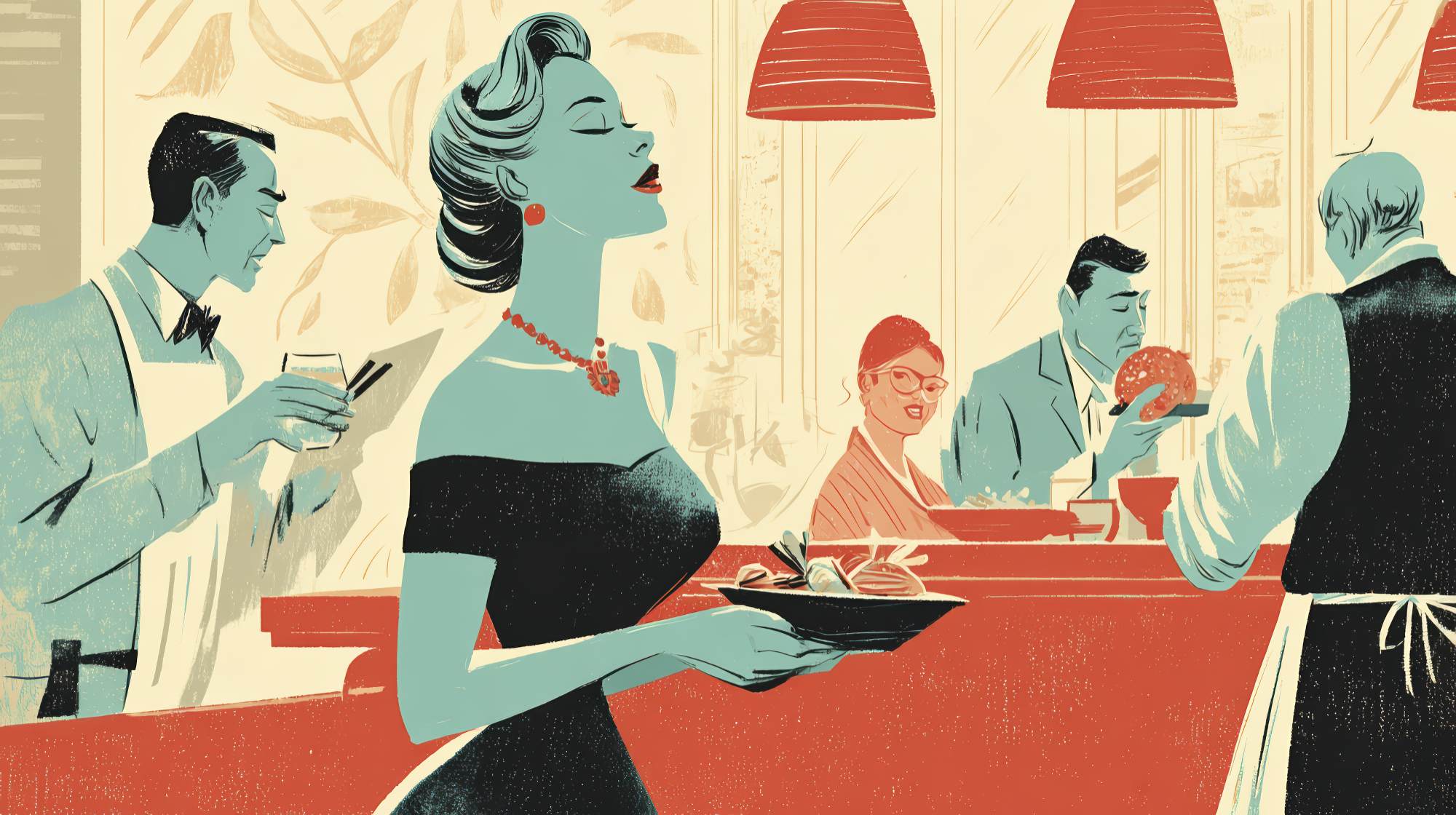
This does not mean forcing awkward team portraits or fake candid shots. It means documenting real interactions and rituals. The server presenting a dish. The pastry chef finishing a dessert. The sommelier mid-pour. A guest leaning in over a shared plate. The owner adjusting a table setting before service. These moments add emotional texture, and texture is what creates depth in a brand.
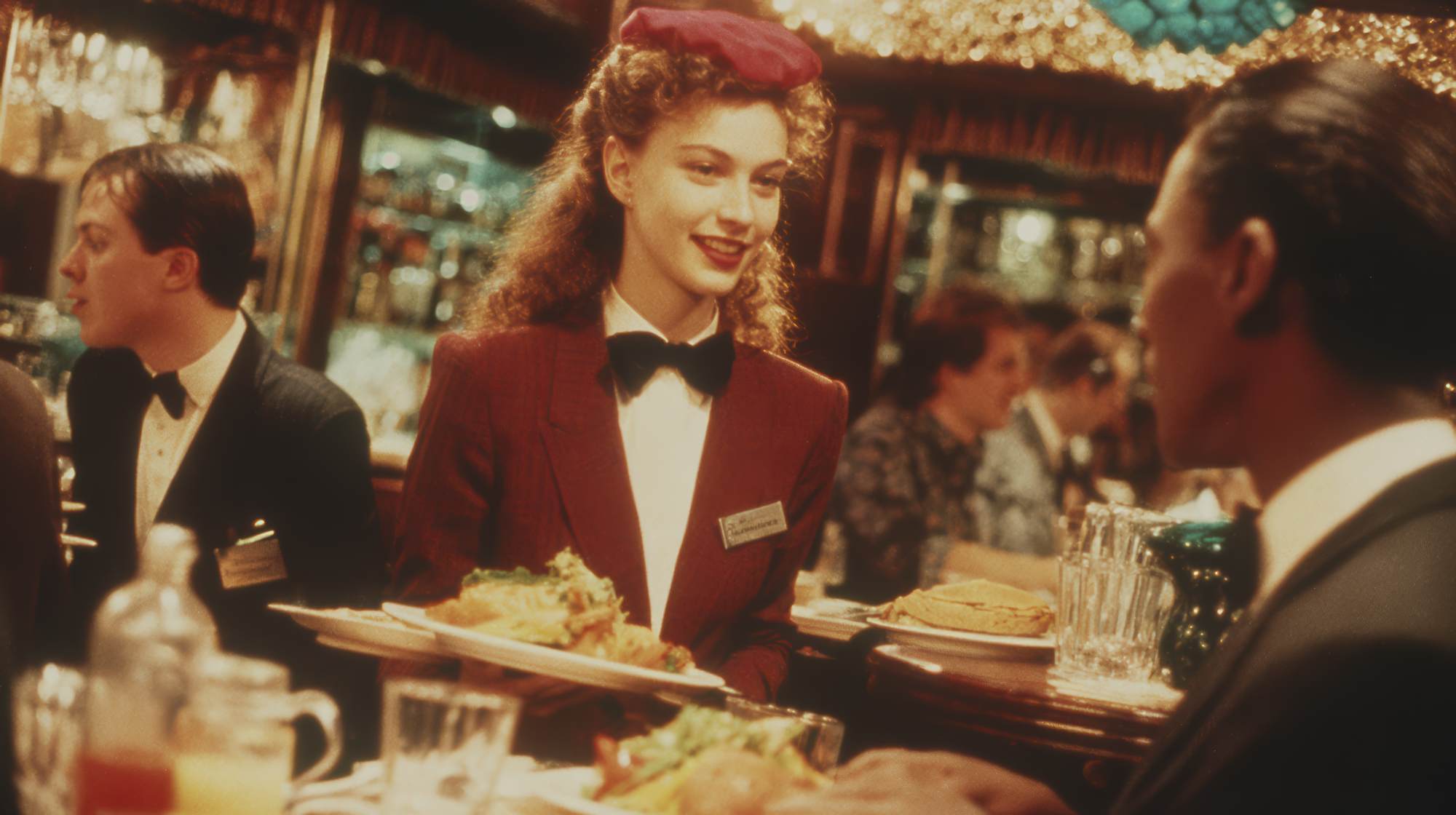
For established venues especially, team storytelling can be a major differentiator. Longevity means something. A bartender who has been with the restaurant for 12 years is not just staffing information. That is brand value. A host who knows regulars by name is not just a nice anecdote. That is proof of identity. Use it.
People trust restaurants that feel inhabited. Too much polished emptiness can read as generic luxury. The goal is not perfection. The goal is presence.
A Practical Way to Audit Your Story
If you want to tighten your visual narrative, do a fast audit. Open your website, Instagram grid, Google listing, menu, and recent email campaigns side by side. Then ask:
Do these all look like the same restaurant?
Can a new customer understand what makes us distinct in under 10 seconds?
Are we showing the experience as much as the product?
Do our visuals support the price point we are asking people to pay?
Are we leaning on generic food content because it is easy?
What details of our story are still invisible?
The answers are usually pretty revealing. Most restaurants do not have a brand problem so much as an editing problem. Their strongest story exists, but it is buried under inconsistency.
If you fix that, the payoff is real. Better alignment between expectation and experience. Stronger word-of-mouth. More persuasive first impressions. Higher perceived value. More confidence in your pricing. And most importantly, a clearer reason for diners to choose you over another solid option nearby.
The Goal Is Recognition, Not Noise
Restaurant marketing does not need more noise. It needs more clarity. Visual narrative is powerful because it helps your restaurant become recognizable in a crowded category. Not just seen, but understood. That is what gives established venues staying power.
The best restaurant brands are not telling one dramatic story once. They are telling the same essential story over and over, with enough variation to keep it alive. In the room. On the plate. On the screen. In the details. That repetition is not boring. It is how brand memory gets built.
If your restaurant already delivers something meaningful, your job is not to manufacture hype around it. Your job is to make that meaning visible, consistent, and impossible to confuse with the place down the street. That is where layered storytelling earns its keep. It does not just make your marketing prettier. It makes your positioning stronger.