Last Updated on April 20, 2026 by DSNRY
Visual solutions for world-class hospitality and entertainment.
In nightlife and dining, the product is never just the product. A cocktail is not only a cocktail. A plate is not only a plate. A night out is a mood, a memory, a small social event people decide is worth their time, money, and attention. That’s why small business marketing in hospitality has to do more than announce a happy hour or show a menu item under flattering light. It has to translate atmosphere.
That sounds obvious, but many brands still market themselves like they’re selling office supplies. Clean logo, decent photos, generic captions, and a stream of promotions that could belong to almost any bar, restaurant, lounge, or venue in town. The result is predictable: weak differentiation, forgettable social feeds, and a brand presence that doesn’t match the experience inside the space.
If you run a hospitality business, your visual marketing should make people feel your brand before they ever arrive. It should give them a sense of energy, tone, pace, and personality. The best visual strategies don’t just document a place; they frame it. They build anticipation. They help guests self-select into your experience and decide, “Yes, this is my kind of night.”
Atmosphere Is the Real Product
Small business owners in hospitality often spend heavily on interiors, lighting, plating, staff training, entertainment, and design touches meant to shape a guest experience. Then marketing comes along and flattens all of it into basic promotional content. That’s a mistake. If your restaurant, bar, club, or entertainment venue has invested in atmosphere, your visual marketing should carry that investment forward.
Atmosphere is what turns an ordinary meal into a place people recommend. It’s what makes a venue date-night material, celebration-worthy, or social-media shareable. It’s why some spots become part of a customer’s routine while others are visited once and forgotten. In practical terms, atmosphere includes lighting, crowd energy, sound, movement, decor, presentation, and how people look and feel in the space.
The strongest hospitality brands understand that customers are buying identity as much as utility. They are asking questions like: Will I feel stylish here? Will this place impress my friends? Is this where I can unwind? Is this where I celebrate? Is this a scene or is it intimate? That means your visuals can’t just answer “What do we serve?” They need to answer “What kind of night can I have here?”
That shift matters for small business marketing because it changes the entire content strategy. Instead of relying on static item shots and repetitive announcements, you begin creating assets that communicate mood, texture, and experience. And once you do that well, your marketing becomes more persuasive without becoming louder.
Stop Posting Food Like It Exists in a Vacuum
Let’s be blunt: isolated food and drink photography, while useful, is wildly overused. There is nothing wrong with hero shots of signature dishes or cocktails. You need those. But if that is the bulk of your marketing, you are telling an incomplete story. Guests don’t consume your offerings in a vacuum. They consume them in a space, at a table, under certain lighting, with other people, often for emotional reasons.
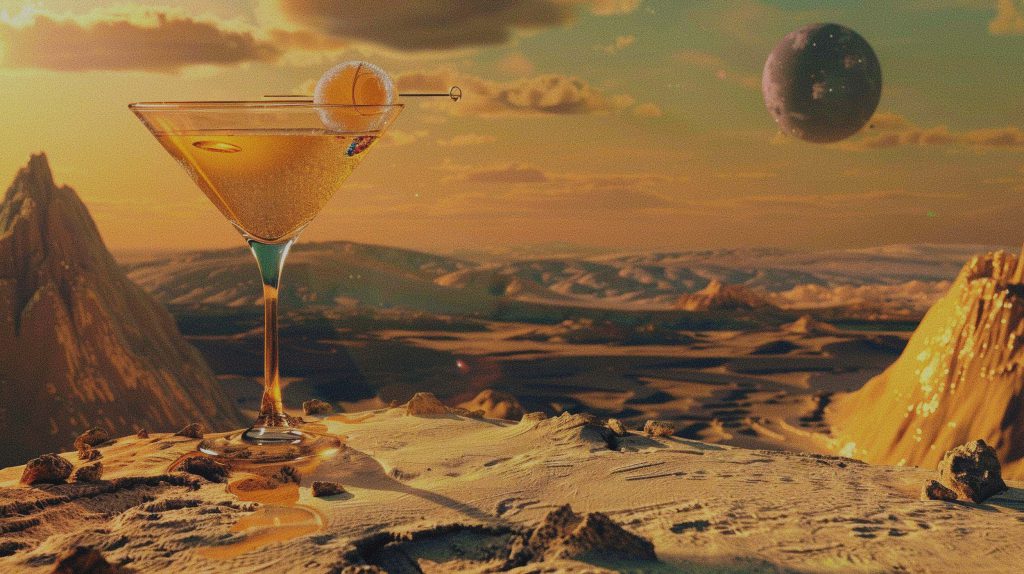
A martini on a white background tells me very little. A martini arriving at a candlelit table while a room buzzes in soft focus behind it tells me everything. One image shows a product. The other sells an experience.
This is where visual solutions become more strategic than simply “getting content.” You need a library of assets that covers the full range of guest perception: wide shots of the room, close details of glassware and plating, people in motion, staff interactions, evening transitions, exterior signage at dusk, music or entertainment moments, and those little environmental touches that make a place feel designed rather than accidental.
For small businesses especially, this is a competitive advantage hiding in plain sight. Big brands often default to polished but generic creative. Independent hospitality businesses can win by being more specific, more tactile, and more honest about what makes their venue distinct. Specificity sells. It gives people a reason to choose you over the place down the street with the same price point and a similar menu.
Build a Visual System, Not a Random Content Feed
One of the most common marketing issues in hospitality is inconsistency. A venue may have beautiful interiors and a strong real-world vibe, but its online presence feels stitched together from different eras, devices, and intentions. Bright daytime smartphone photos one week, moody professional imagery the next, awkward event flyers after that. To a customer, inconsistency reads as uncertainty.
What small businesses need is a visual system. Not endless reinvention. Not trend-chasing. A system.
That means choosing a clear visual direction and applying it across platforms. If your brand leans intimate and elevated, the imagery should support that through color, framing, editing, and pacing. If your venue is energetic and social, the content should capture movement, crowd interaction, and volume without becoming chaotic. If your concept is refined dining, the visual system should signal restraint and confidence, not overdesigned promotional noise.
A solid visual system usually includes a few practical elements:
First, establish signature shot types. Maybe that means one cinematic room-wide shot, one intimate table moment, one staff-service detail, one hero dish shot, and one candid social image per campaign cycle. These become the backbone of your content mix.
Second, define your lighting and editing style. Hospitality lives and dies by light. If your venue is naturally warm and moody at night, don’t edit your photos into sterile brightness just because social platforms reward clarity. The goal is not to make the place look different. The goal is to make it look desirable.
Third, create content for multiple customer intentions. Someone discovering you for date night needs different visual proof than someone booking a group dinner, attending live entertainment, or choosing a private event venue. Your visual system should support all of those decisions.
Once you think this way, marketing gets easier. You stop scrambling for posts and start building brand equity.
The Best Hospitality Marketing Shows People How to Belong
A lot of nightlife and dining marketing talks at people instead of inviting them in. It lists features. It pushes reservations. It announces schedules. Necessary, yes. Effective on its own, not really. The strongest visual marketing gives customers a script for how they will enter the experience.
This is where inclusion, social signaling, and customer imagination matter. People want to know what kind of guest fits your space. They want to see how the room behaves. Is it dressed up or relaxed? Is it conversation-friendly or performance-driven? Are diners lingering over a second round, or is the energy quick and scene-based? Is the bar animated? Are groups laughing? Is the service attentive without feeling stiff?
Visual content that answers these questions reduces friction. It helps potential guests picture themselves there, which is one of the most underrated jobs marketing can do.
For small business owners, this doesn’t mean manufacturing fake lifestyle content. In fact, audiences are tired of that. It means capturing authentic guest moments with intentionality. Show the host greeting arrivals. Show the transition from early evening calm to nighttime momentum. Show how a signature cocktail looks in someone’s hand, not just on the bar. Show how the room fills up. Show the corners people remember.
In my view, too many brands underestimate how much reassurance great visuals provide. People don’t just want to know a place exists. They want confidence that choosing it will feel socially and emotionally right. That’s especially true in hospitality, where the wrong choice can ruin a night and the right one can become a ritual.
Practical Content Ideas That Actually Support Revenue
If marketing is going to justify itself, it has to support business goals. The good news is that atmosphere-driven content does. It helps with discovery, reservation conversion, event bookings, repeat visits, and higher perceived value.
Here are a few practical ways to make your visuals work harder.
Create seasonal atmosphere campaigns, not just seasonal menu posts. If you’re introducing winter cocktails, don’t stop at the drinks. Show the room in winter mode. Show coats being checked, warm lighting, shared plates, and the type of evening the season invites. The campaign should sell the outing, not just the item.
Develop event-specific asset sets. If you host live music, DJ nights, tastings, brunches, or themed evenings, each should have a distinct visual identity while still feeling on-brand. This makes promotion cleaner and gives repeat customers a reason to engage with different experiences inside the same venue.
Use short-form video for transitions and ambience. Static images are useful, but nightlife especially benefits from motion. A seven-second clip of a bartender finishing a drink, a dining room coming alive, or lighting shifting into evening can communicate atmosphere faster than a long caption ever will.
Refresh your Google Business Profile and website visuals as seriously as your social channels. This is where intent is highest. A customer checking hours, reviews, or directions is often very close to deciding. If those high-intent spaces are filled with outdated, low-quality images, you’re leaking business at the finish line.
And don’t ignore private events. Small hospitality businesses often leave money on the table by marketing private dining, buyouts, or group experiences with boring informational pages. Better visuals can dramatically improve inquiry quality because people can immediately understand how the space transforms for celebrations, corporate gatherings, or special occasions.
Why This Matters More for Small Businesses
Small businesses do not have the luxury of being forgettable. Chain brands can survive on convenience and familiarity. Independents have to create desire. That means your marketing cannot be generic, because generic is the one thing bigger operators can outspend you on all day long.
The upside is that small hospitality brands usually have a stronger point of view. They have founders with taste. Teams with personality. Spaces with quirks. Menus with stories. A regular crowd. A mood. These are not weaknesses to smooth out. They are assets to amplify.
Good visual marketing makes that point of view visible. It helps your business look as considered online as it feels in person. It creates continuity between discovery and experience. And it raises perceived value, which is critical in a market where customers are increasingly selective about where they spend on dining and entertainment.
If I have one strong opinion here, it’s this: hospitality businesses should stop treating visual content as decoration. It is infrastructure. It shapes first impressions, expectations, conversions, and customer memory. When done well, it doesn’t just make the brand look better. It makes the business perform better.
Make the Experience Legible
The real job of hospitality marketing is simple: make the experience legible before the customer arrives. Let them see the tone, feel the quality, and understand the invitation. Give them enough clarity to choose you with confidence.
That takes more than pretty photos. It takes a visual strategy rooted in atmosphere, consistency, and emotional relevance. It takes content that reflects how people actually decide where to go out, where to celebrate, where to linger, and where to return.
For nightlife and dining brands, the venues that stand out are rarely the ones saying the most. They’re the ones showing the most convincing version of the night ahead. And for small businesses, that’s not just smart branding. It’s smart marketing.