Last Updated on April 20, 2026 by DSNRY
Applying the principles of minimalist sophistication to any brand.
In real estate marketing, most teams still behave as if the buyer journey begins when someone opens a portal, types a ZIP code, and starts filtering by price. That’s far too late. By then, the buyer already has a taste profile, a feeling they’re chasing, and a mental shortlist of what “their kind of home” looks like. The real work happens before the search. It happens in the subtle brand cues, the visual restraint, the emotional tone, and the way a property or agency signals belonging.
This is where aesthetic strategy matters. Not “pretty branding” for its own sake. Not a fresh logo slapped onto yard signs. I’m talking about a deliberate visual and sensory point of view that attracts the right buyer by making them feel understood before they ever click on a listing. In an increasingly noisy market, minimalist sophistication is one of the most powerful ways to do that. Not because it’s trendy, but because it communicates confidence, clarity, and discernment. And those are persuasive qualities in real estate.
Why buyers choose with emotion before they justify with logic
Real estate people love data, and rightly so. Price per square foot matters. Days on market matters. School zones, taxes, walkability, renovation quality, financing options, all of it matters. But the emotional decision often arrives first, and then the practical mind catches up. Buyers don’t just search for homes. They search for a version of themselves. A calmer life. A more elevated routine. A family identity. A social signal. A fresh chapter.
That means your brand and marketing must do more than present inventory. It has to create resonance. The strongest real estate brands understand that a home is never just a product. It’s a container for aspiration. If your visuals are chaotic, your copy is generic, and your digital presence feels like everyone else’s, you’re forcing buyers to work too hard to imagine the lifestyle you’re promising.
Minimalist sophistication helps because it removes friction. It says: we know what matters, and we’re not going to clutter the message with noise. In a market full of overdesigned brochures, overfiltered photography, and desperate social content, restraint reads as luxury. It also reads as trust.
What minimalist sophistication actually means in real estate marketing
Let’s be clear: minimalism is not emptiness, and sophistication is not snobbery. When applied well, minimalist sophistication means every brand choice feels intentional. Color palettes are restrained. Typography is elegant but readable. Photography breathes. Copy is edited down to what’s essential. The message is specific, not loud.
For real estate brands, this approach works particularly well because property itself needs room to speak. If every listing flyer, Instagram carousel, landing page, and email header screams for attention, the home gets buried under the marketing. The best aesthetic strategy supports the property rather than overpowering it.
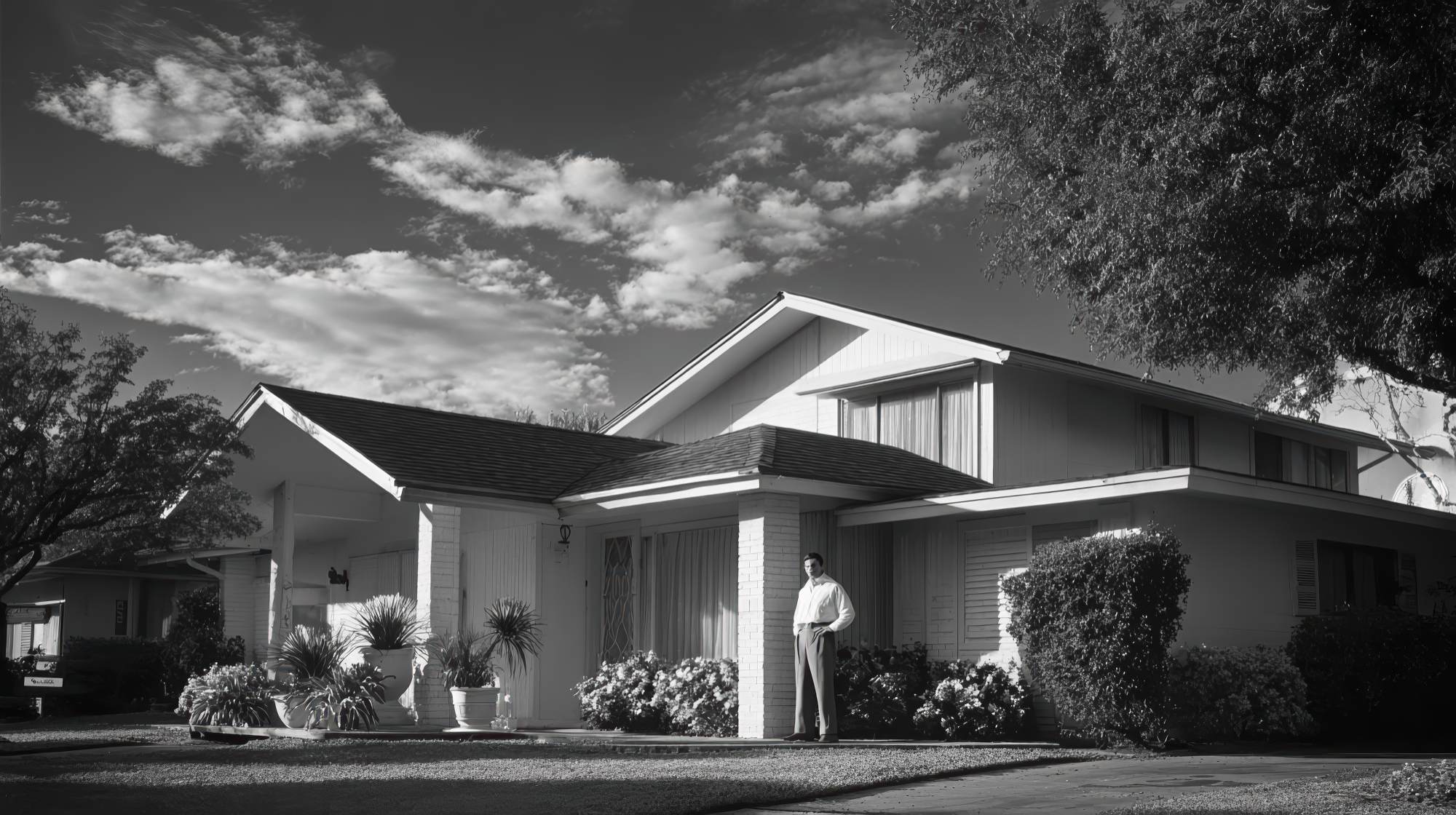
That can mean using more white space, fewer fonts, softer neutrals, tighter copy, and a more considered tone of voice. It can also mean rethinking your image selection. Stop defaulting to the obvious “smiling agent with keys” visual language if it doesn’t serve your audience. Show materials, light, atmosphere, architectural detail, and moments of lived-in elegance. Sophisticated buyers don’t just respond to square footage; they respond to texture, proportion, and mood.
And yes, this applies beyond luxury. One of the biggest misconceptions in marketing is that elevated aesthetics only work at the high end. Not true. Minimalist sophistication can sharpen any brand position, from boutique urban condos to family-friendly suburban communities. It’s about clarity and confidence, not price bracket.
How to attract the right buyers before they ever search
If you want to influence buyers early, your marketing has to operate upstream. That means creating desire and familiarity before active intent shows up. In practical terms, this starts with consistency. Your website, social media, listing presentations, signage, email campaigns, print materials, and even office environment should all feel like part of the same world.
When buyers encounter your brand repeatedly, they should absorb a clear emotional signature. Maybe it’s calm refinement. Maybe it’s contemporary urban intelligence. Maybe it’s warm, edited family luxury. Whatever it is, commit to it. Brands lose traction when they try to appeal to everyone at once.
One opinion I hold strongly: too many real estate businesses are visually indecisive because they’re afraid of excluding anyone. But broad appeal is often the enemy of memorability. If your brand language is generic enough to work for every buyer, it won’t be magnetic for the buyer you actually want.
To attract early attention, focus on content that shapes taste rather than just sells listings. Publish neighborhood guides with a sharp visual point of view. Share design-forward market commentary. Highlight architecture, not just availability. Curate mood, not just information. If your content helps people refine what they want, they will begin associating your brand with discernment. That’s incredibly valuable before search behavior begins.
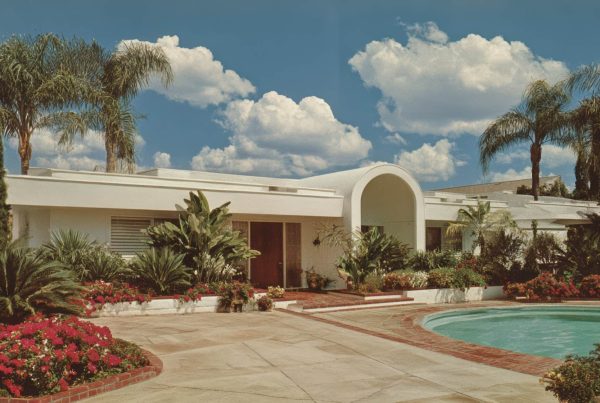
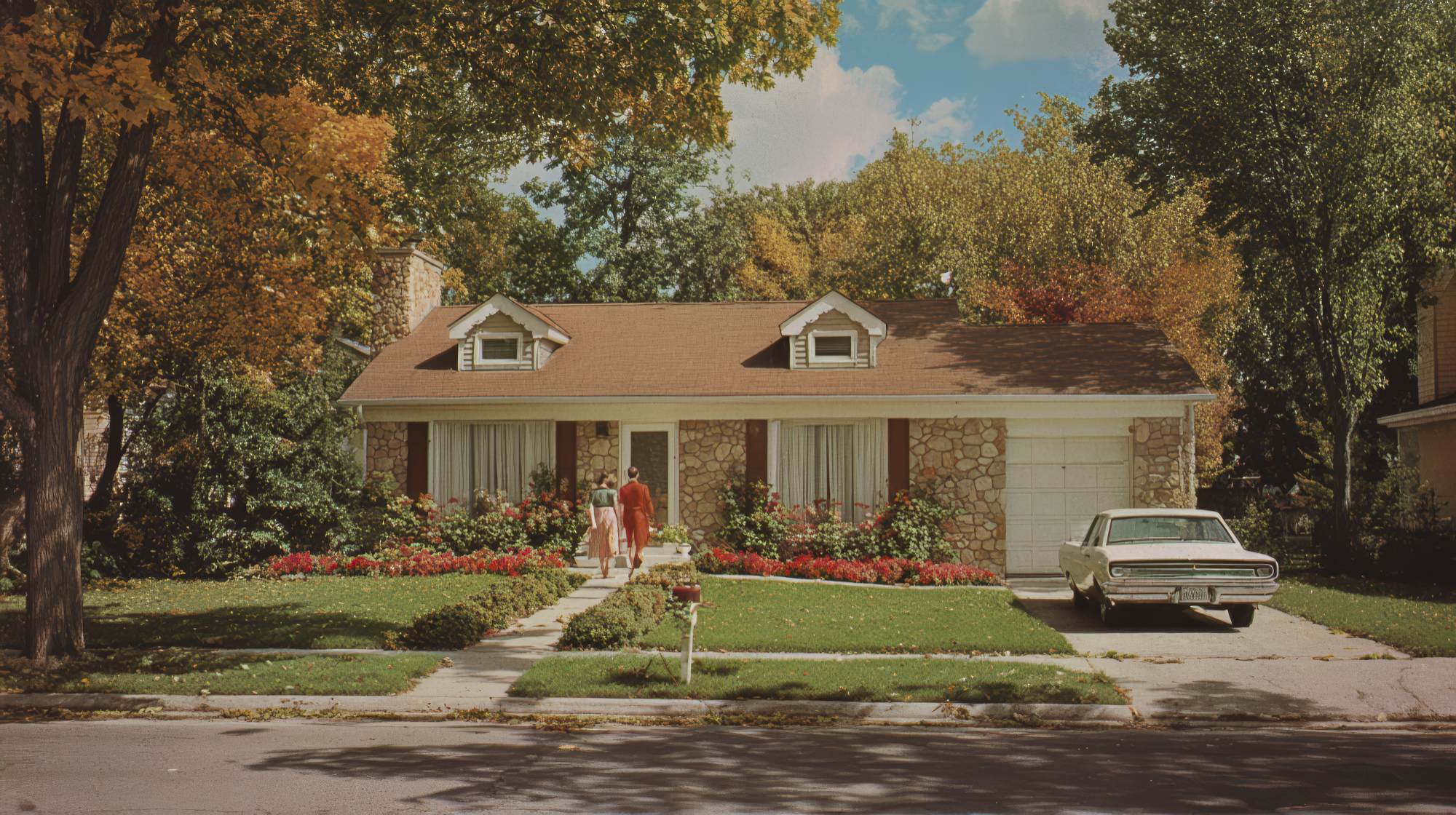
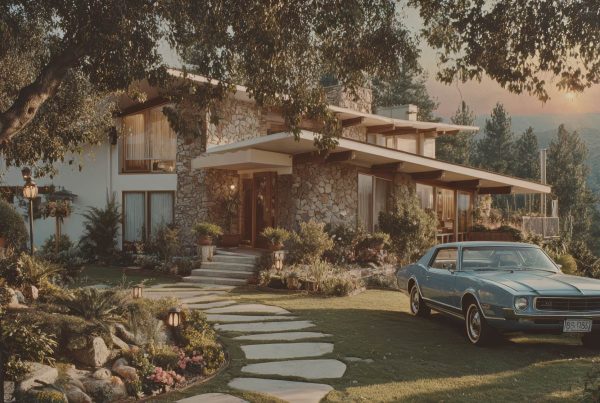
This is also where brand photography matters. Invest in original imagery whenever possible. Not every asset should be a property photo. Some of the strongest real estate brands use editorial-style visuals that communicate pace, place, and personality: morning light across stone counters, a quiet reading nook, tailored landscaping, a streetscape at golden hour. These images don’t scream “for sale.” They whisper, “this is your world.”
The practical elements that make the strategy work
Aesthetic strategy sounds abstract until you translate it into repeatable decisions. Here are the areas that matter most.
First, define your visual filters. Choose a narrow brand palette and stick to it. Edit your typography down to two or three fonts at most. Establish photo guidelines around lighting, composition, and tone. If your Instagram grid, property brochures, and website all look like they were designed by different companies, the strategy is broken.
Second, tighten your copy. Sophisticated branding is not just visual; it’s verbal. Real estate copy is often bloated with filler: “stunning,” “must-see,” “one-of-a-kind,” “won’t last.” Most of it means nothing. Better copy is precise. Instead of trying to hype everything, identify what’s distinctive and say it cleanly. Buyers trust specifics more than adjectives.
Third, stage less but better. Minimalist sophistication doesn’t require sterile spaces, but it does require editing. Overstaging can make a home feel like a furniture showroom instead of a place to live. The goal is to create spatial clarity and emotional ease. Remove visual clutter. Let materials and architecture breathe. Use styling to support the property’s natural strengths, not to compensate for weak marketing.
Fourth, build a pre-search ecosystem. This is where many brands leave money on the table. Use email not just for listings, but for curated insights and aesthetic inspiration. Use social media to cultivate taste, not just announce availability. Use blogs and landing pages to tell a coherent story about how certain buyers want to live. If your audience is waiting to hear from you because your brand improves their point of view, you’re no longer just advertising. You’re leading.
Where real estate brands usually get this wrong
The biggest mistake is confusing expensive-looking with refined. Gold foil, drone footage, cinematic music, luxury buzzwords, and glossy templates do not automatically create sophistication. In fact, they often do the opposite when overused. Sophistication comes from judgment. From knowing what to leave out.
Another common problem is inconsistency between brand promise and actual experience. If your marketing presents a serene, editorial, design-conscious identity, but your website is cluttered, your responses are sloppy, and your listing materials feel rushed, buyers notice. The aesthetic isn’t a surface treatment. It has to align with how the brand behaves.
I also think many agents underestimate how visually literate buyers have become. Thanks to design media, boutique hospitality, luxury retail, and lifestyle platforms, people now have stronger instincts about brand quality. They may not articulate why something feels off, but they know when it does. A chaotic visual identity signals a lack of care, and in real estate, lack of care is dangerous. People are making major financial and emotional decisions. They want to feel they’re in capable hands.
How to apply this approach to any real estate brand
You do not need to rebrand from scratch tomorrow. Start by auditing what you already have. Put your homepage, a recent listing brochure, your Instagram feed, your email template, and your signage side by side. Do they look and sound like they belong to the same brand? Do they communicate a point of view? Or just activity?
Next, identify the buyer you genuinely want more of. Not everyone. The right one. What do they notice? What visual world do they already live in? What kind of language feels credible to them? Build around that, not around industry convention.
Then simplify. Remove one-third of the clutter from your brand system. Fewer colors. Fewer claims. Fewer decorative elements. Better photos. Better writing. Stronger pacing. Minimalist sophistication is less about adding polish than subtracting distraction.
Finally, commit long enough for it to work. Aesthetic strategy only creates recognition through repetition. If you change direction every quarter because someone else’s content style is trending, you’ll never build brand memory. Real estate is crowded, but the upside is simple: the brands with discipline stand out fast.
The takeaway
If you want better buyers, don’t wait for search intent to appear and then fight for attention in the usual places. Shape desire earlier. Use aesthetic strategy to create emotional alignment before the buyer starts filtering listings. A minimalist, sophisticated approach works because it respects the audience, sharpens the message, and gives the property room to speak.
In my view, the best real estate marketing is not louder. It’s clearer. More selective. More composed. It understands that taste is a targeting tool, and that brand atmosphere can do as much heavy lifting as ad spend. When your visual identity, content, and experience all signal the same refined point of view, the right buyers often feel the match before they can explain it. That’s not an accident. That’s strategy.