Last Updated on April 20, 2026 by DSNRY
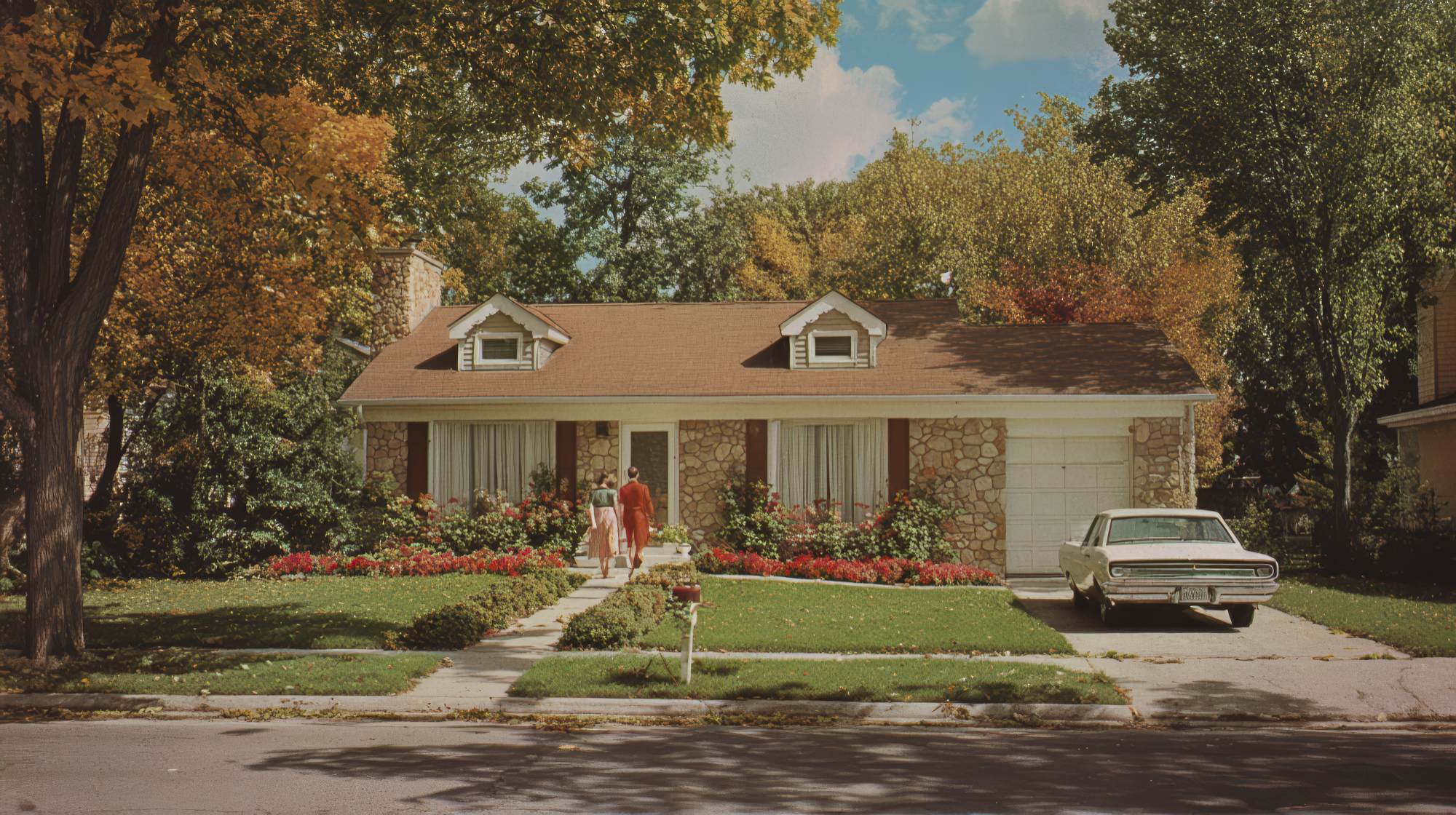
Authentic imagery that transcends the limitations of stock.
Real estate marketing has a bad habit of looking polished without actually feeling persuasive. The photos are clean, the typography is tasteful, the website works well enough, and the social feed is active. On paper, everything seems fine. But “fine” is exactly where a lot of brands get stuck.
I’ve seen plenty of brokerages, teams, developers, and property marketers invest heavily in campaigns while ignoring the bigger issue hiding in plain sight: their brand is sending mixed signals. The visuals may say luxury, while the copy says discount. The listing presentation may sound personal, while the website feels cold and generic. The social media may be busy, but not memorable. That disconnect costs attention, trust, and ultimately conversions.
This is where a real brand audit becomes useful—not as a cosmetic exercise, but as a practical way to uncover missed opportunities in your current marketing. In real estate, where trust, perception, and timing matter so much, those opportunities are rarely small. Often, they’re the difference between being one of many options and becoming the obvious choice.
Most Real Estate Marketing Problems Aren’t Actually Campaign Problems
When leads slow down, the instinct is usually to ask for more: more ads, more email sends, more reels, more postcards, more SEO pages. Sometimes that helps. Often it just pours fuel into a machine that isn’t tuned properly.
A brand audit forces you to step back and ask harder questions. Not “Are we posting enough?” but “Are we recognizable?” Not “Are people seeing us?” but “Do they understand why we matter?” Not “Is our content professional?” but “Does it feel credible, distinct, and worth remembering?”
That distinction matters in real estate because the market is crowded with people using nearly identical language. Everyone claims local expertise. Everyone says they offer white-glove service. Everyone says they care deeply about clients. Those things may all be true, but if your marketing presents them in the same stale way as everyone else, the market won’t reward you for sincerity alone.
A brand audit helps expose the quiet friction points: inconsistent messaging, outdated visuals, weak differentiation, generic photography, repetitive content, unclear audience targeting, and an overall experience that feels assembled rather than intentional. These are not minor branding concerns. They are sales concerns wearing a branding costume.
Where Hidden Opportunities Usually Live
The phrase “hidden opportunities” sounds vague until you know where to look. In my experience, the most valuable ones tend to show up in a few predictable places.
First, there’s visual identity. Many real estate brands underestimate how much their image library affects perceived value. If your website and brochures rely on stock visuals that look interchangeable with a mortgage lender, hotel chain, or generic lifestyle brand, you’re flattening your own story. Property marketing should feel specific. Agent branding should feel human. Community marketing should feel lived-in, not staged for a catalog.
Authentic imagery is one of the easiest ways to sharpen perception quickly. Not because every photo needs to be artistic, but because people are remarkably good at spotting what feels real versus what feels borrowed. Original photography of your team, neighborhoods, properties, details, events, and client experience creates texture. Texture creates trust. Trust creates response.
Second, there’s messaging. A lot of real estate copy tries to sound elevated and ends up saying nothing. Phrases like “exceptional service,” “bespoke experience,” and “results-driven approach” aren’t offensive—they’re just empty unless supported by specifics. A brand audit can reveal whether your messaging is actually communicating a point of view or just filling space with industry-safe language.
Third, there’s platform inconsistency. Your Instagram may feel modern, while your website feels five years behind. Your listing materials may look refined, while your email templates feel transactional. Your signage may emphasize prestige, while your social captions try too hard to be casual. Buyers and sellers may not consciously map these inconsistencies, but they feel them. The result is hesitation.
Fourth, there’s audience mismatch. Some brands market luxury homes with content that feels mass-market. Others target first-time buyers with branding that feels intimidating or overly formal. A good audit doesn’t just evaluate whether the materials look good; it evaluates whether they’re right for the client you actually want.
Why Original Visuals Matter More Than Most Teams Think
I have a strong opinion on this: real estate brands are far too tolerant of weak imagery. Not bad imagery necessarily—just generic imagery that drains personality from otherwise capable marketing.
Stock photography has its place in some industries. Real estate is rarely one of them. This business is built on place, personality, and perception. If your brand depends on visuals, and it absolutely does, then borrowed images create a credibility gap. They make your marketing feel easier to ignore because it looks like something people have already seen a hundred times.
Original imagery does more than make your brand look expensive. It makes it believable. It shows the actual environment you work in, the way your team interacts, the kinds of properties you represent, and the level of care people can expect. It can signal warmth, discretion, sophistication, energy, or neighborhood fluency without having to spell any of that out in copy.
And importantly, authentic imagery improves more than just brand perception. It strengthens ad performance, social engagement, website time-on-page, listing presentation quality, recruiting materials, and even internal confidence. Teams show up differently when their marketing actually looks like them.
If your current assets are full of handshakes, laptops, smiling couples staring at countertops they definitely do not own, and vague skyline shots, there’s an opportunity sitting right there. You do not need a giant rebrand to fix it. Sometimes you need a sharper eye, a photographer with restraint, and a clearer understanding of what your brand should feel like in the wild.
What a Useful Brand Audit Should Actually Review
A brand audit should be practical, not theatrical. This is not about creating a giant presentation full of obvious observations. It should review the actual customer-facing experience from first impression to follow-up.
Start with your website. Does it immediately communicate who you serve, what you’re known for, and why someone should trust you? Or does it lead with generic claims and broad imagery that could belong to almost anyone? Review homepage messaging, agent bios, neighborhood pages, listing pages, calls to action, mobile usability, and visual consistency.
Then look at your property marketing. Are your listing materials on-brand, polished, and distinct from local competitors? Do your brochures, digital presentations, and property websites elevate the homes you represent? Real estate marketing should respect the property, but it should also reinforce the brand behind it.
Review your social media with honesty. Not just whether you post consistently, but whether the content has a recognizable perspective. A good feed should not feel like a random mix of just-listed graphics, motivational quotes, market stats, and holiday reminders. It should tell a cohesive story about your expertise, standards, market point of view, and client experience.
Email marketing deserves scrutiny too. Many teams either underuse email or treat it like a dumping ground for listings and announcements. A strong brand audit will examine tone, design, timing, segmentation, and whether your emails feel useful enough to keep opening.
Don’t forget offline touchpoints. Signage, print collateral, event materials, presentation folders, direct mail, and even the experience of walking into your office all contribute to brand impression. In real estate, offline and online branding still feed each other in a big way.
And finally, audit your competitors. This part is essential. Hidden opportunities become more visible when you see how same-looking the category has become. Often, the gap in the market is not some revolutionary new message. It’s simply a better-articulated, more consistent, more human version of what everyone else is trying and failing to express.
How to Turn Audit Findings Into Better Marketing
The value of an audit is not in identifying flaws. It’s in making better decisions afterward.
One of the smartest moves is to prioritize changes based on impact, not effort. You do not need to overhaul everything at once. If your visuals are undermining everything else, fix the visuals first. If your messaging is too vague to support premium pricing, rewrite the messaging before increasing ad spend. If your website is leaking trust, improve the core pages before launching another campaign.
Another smart move is to create stronger brand rules. Not rigid, joyless rules—useful ones. Clarify tone of voice. Define visual standards. Build a real image library. Set templates for social, presentations, and email that feel cohesive without becoming repetitive. Good branding is not about making every asset identical. It’s about making them unmistakably related.
This is also the right time to sharpen your point of view. The best real estate brands do not sound neutral. They sound informed. They have opinions about marketing homes, about local growth, about design, about pricing strategy, about what clients should expect from representation. That confidence is magnetic when it’s backed by experience.
If your audit reveals that your brand has been playing it too safe, that’s useful information. Safe marketing often gets approved internally because nobody objects to it. Unfortunately, prospects rarely remember it either.
The Brands That Win Feel Intentional
The real purpose of a brand audit is not to make your marketing prettier. It’s to make it more intentional.
In real estate, intentional brands have an advantage because they reduce uncertainty. They look organized. They sound clear. They feel trustworthy before the first conversation even happens. Their materials support their reputation instead of relying on reputation alone to do all the work.
That matters whether you’re marketing a luxury tower, a boutique brokerage, a high-performing agent team, or a community development. Buyers and sellers are not just evaluating credentials. They’re evaluating signals. They’re asking, consciously or not, whether your brand feels current, credible, and aligned with the level of service you promise.
If your current marketing feels busy but not especially effective, don’t assume the answer is simply doing more. There may be more value in examining what’s already there—what it says, what it misses, and what opportunities it’s quietly leaving on the table.
That’s the thing about hidden opportunities: they’re often not hidden at all. They’ve just been normalized by familiarity. A brand audit helps you see them clearly, and once you do, better marketing decisions become a lot easier to make.