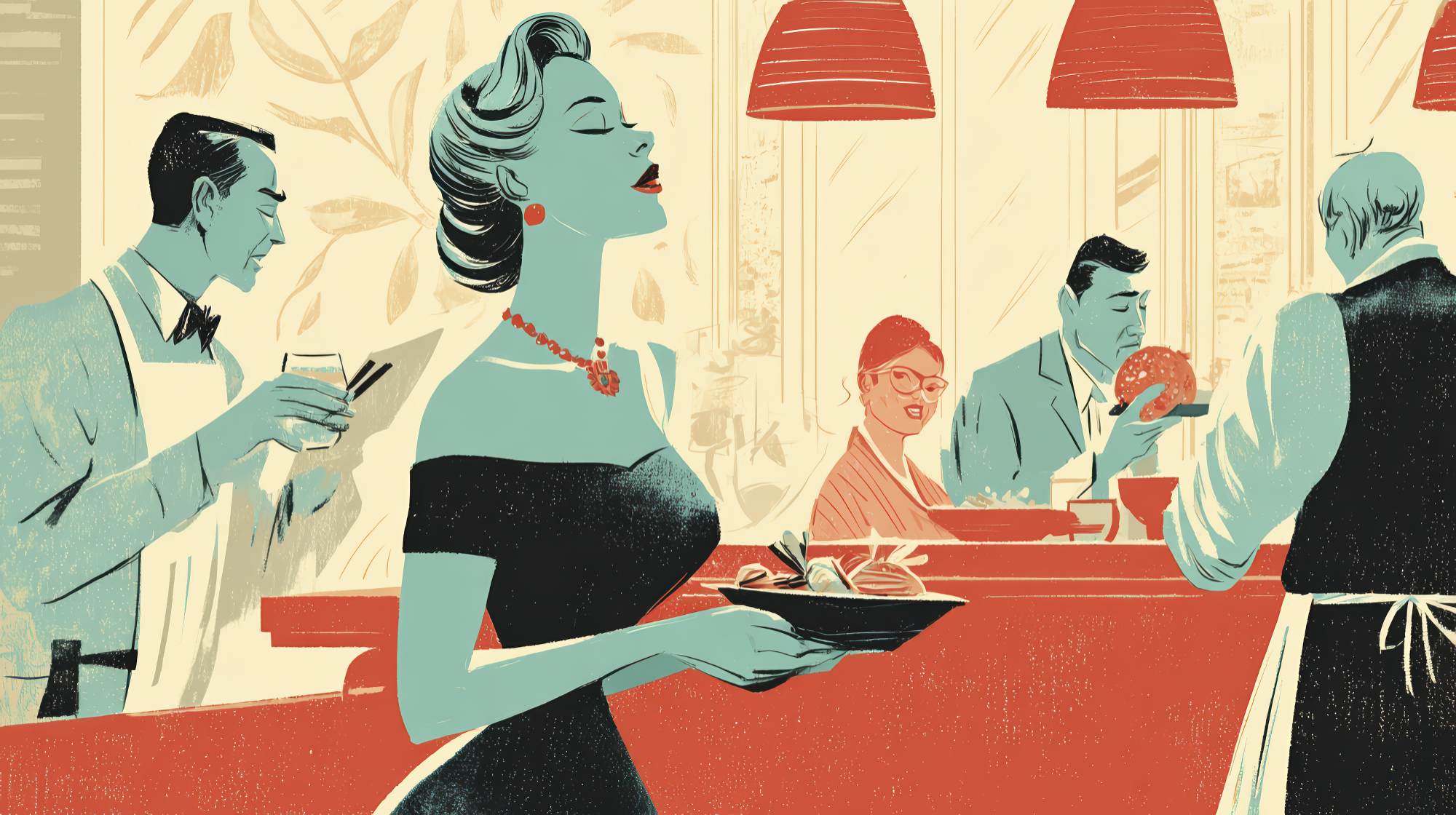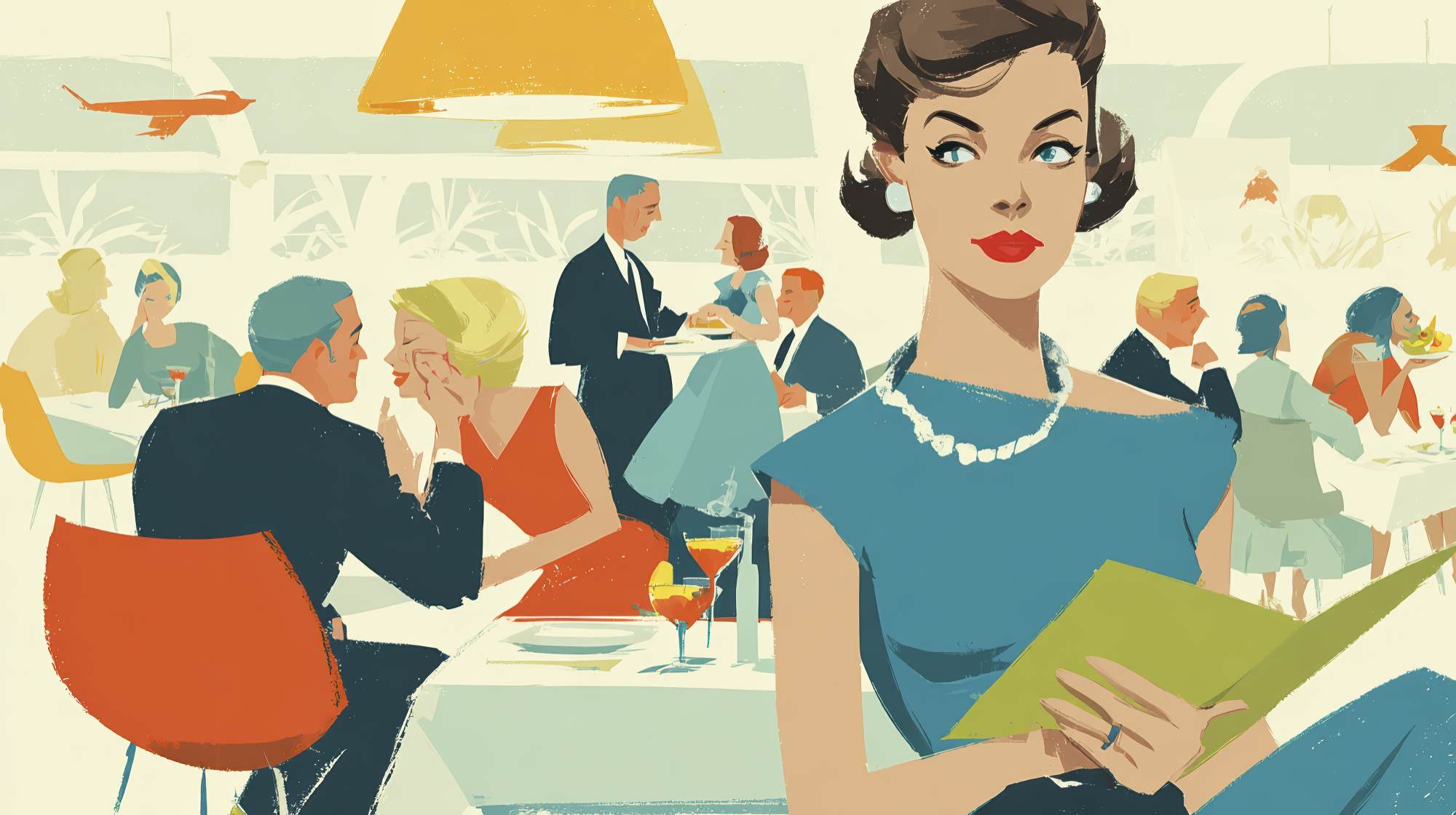
Use cinematic movement to showcase the energy of your kitchen.
Restaurant marketing has gotten strangely flat. Scroll through most feeds and you’ll see the same polished plate shot, the same smiling bartender, the same overhead table spread. Nice? Sure. Memorable? Not usually.
What actually stops people mid-scroll is motion that feels alive. Not random movement for the sake of movement, but visual storytelling that gives a viewer a sense of heat, rhythm, timing, and personality. In a restaurant, that means the toss of a pan, the steam lifting off the pass, the quick hands on garnish, the pull of a fresh noodle, the clink of glassware before service. Motion graphics and cinematic movement give those moments shape and help turn “content” into atmosphere.
This matters because restaurants are not selling food alone. They’re selling anticipation. They’re selling a night out, a quick lunch that feels special, a neighborhood identity, a reason to choose one place over five similar options nearby. Static photography still has a place, but if you want social media to communicate energy, confidence, and texture, movement is doing the heavy lifting now.
Why movement works better than another perfect food photo
The strongest restaurant brands on social media understand one thing: people want to feel the place before they visit it.
A great still image can show quality. A well-produced motion piece can show personality. That difference is huge. A still shot says, “Here is our dish.” A moving story says, “Here is what it feels like to be here when the kitchen is firing, the music is up, and the room starts to buzz.”
That’s the real power of cinematic movement. It adds sequence, tension, and release. It gives your audience a beginning, middle, and payoff, even in ten seconds. You can show raw ingredients landing on the line, a close-up of sauce brushing across protein, flames catching the edge of a skillet, then the final plate hitting the pass. That’s not just visual. That’s narrative.
Motion graphics make these sequences even more effective. A simple animated text cue, a subtle overlay, a clean menu callout, or a graphic transition can guide the eye without making the piece feel over-produced. Used well, motion graphics don’t distract from the kitchen. They frame it. They help viewers understand what they’re watching and why it matters.
Too many restaurants still think social content should look “pretty” first. I think it should feel true first. Pretty is easy. True is what builds trust.
What cinematic storytelling looks like in a restaurant setting
Let’s be clear: cinematic does not mean expensive, dramatic, or pretentious. It means intentional.
In restaurant marketing, cinematic movement usually comes from a few specific choices. First, you’re thinking in scenes rather than isolated clips. Second, you’re capturing natural action instead of forcing staff to “perform” for the camera. Third, you’re paying attention to pacing.
A smart restaurant video often begins with motion that sets the tone. A door opening before dinner service. Ice dropping into a shaker. A chef’s knife working through herbs. Then it moves tighter into detail: oil shimmering, plating tweezers landing microgreens, a hand wiping the rim of a bowl. Finally, it gives the viewer some payoff: the dining room in motion, a server dropping a signature dish, a table reaction, a finished cocktail under warm light.
That sequence works because it reflects how restaurants are actually experienced. Guests don’t just consume a product. They absorb a chain of moments.
This is also where motion graphics shine. Add a quick animated label for a featured dish. Use subtle text to introduce a seasonal ingredient. Overlay a short phrase like “Friday service,” “wood-fired,” or “chef’s tasting” in a way that feels native to the piece. That sort of direction helps the content work harder without ruining the atmosphere.
My opinion: the best restaurant videos feel observed, not staged. If a clip looks like everyone paused service to make branded content, the audience can tell.
The kitchen is your best storytelling asset
A lot of restaurants underuse the kitchen in marketing because they assume guests only care about the plated result. I think that’s backward. The kitchen is where belief happens.
When people see coordinated movement, speed, heat, craft, and discipline, they start assigning value before they ever book a table. Even a fast-casual concept can benefit from showing process with confidence. Assembly can look impressive when it’s filmed with timing and purpose. Prep can feel premium when the movement is clean and focused.
That doesn’t mean every video needs flames and dramatic knife work. Not every concept is built around spectacle. But every kitchen has rhythm. The trick is finding yours.
For some brands, it’s precision. Tight cuts, organized mise en place, smooth plating. For others, it’s speed. Quick service moments, high-volume energy, movement between stations. For others, it’s warmth. Dough stretching, sauce stirring, pastries being finished in the morning light.
The point is not to imitate another restaurant’s visual language. The point is to identify your own operational energy and translate it into a social format people can feel instantly.
And yes, authenticity matters here. If your kitchen is chaotic in a bad way, social video will expose that too. Motion content is unforgiving. That’s actually a good thing. It pushes brands to present real strengths rather than generic polish.
How to use motion graphics without making your content look like an ad
This is where many restaurant teams get nervous. They hear “motion graphics” and imagine loud templates, oversized captions, or overdesigned reels that feel detached from the brand. That’s not the goal.
Good motion graphics are restrained. They support the footage. They create clarity, not clutter.
Here’s where they tend to work best in restaurant marketing:
Short title cards to introduce a special, event, or chef feature. Ingredient callouts that highlight something distinctive, like local sourcing or house-made components. Text animation that reinforces timing, such as “happy hour starts at 4” or “weekend brunch.” Transitional elements that help a reel move from prep to service to final plating in a clean, editorial way.
The visual style matters a lot. Font choices, color palette, spacing, and animation speed should all reflect the brand. A refined bistro should not use hyperactive graphic effects. A youthful burger concept probably shouldn’t use slow, moody overlays that make everything feel overly serious. Match the motion language to the actual guest experience.
The best test is simple: if you remove the graphics, does the footage still work? If yes, then the graphics are probably doing their job. If no, then the content is leaning too hard on design to compensate for weak storytelling.
Practical content ideas restaurants can start producing now
You do not need a massive production schedule to make this approach work. You need repeatable concepts.
One of the most effective formats is the signature dish sequence. Start with ingredients or prep, move into cooking action, then finish with the plated shot and a brief text prompt. Another reliable format is the service energy reel: servers in motion, pass shots, drinks being built, tables filling up, ambient movement in the dining room. This works especially well for promoting peak nights.
Chef perspective content is another strong option. Let the camera stay close to the hands, the tools, and the process. Add minimal text to explain what’s happening. It gives authority without feeling self-important.
You can also build short ingredient stories. Show where a seasonal item enters the kitchen, how it’s prepped, and where it appears on the menu. This is especially effective for restaurants that want to justify pricing through visible care and sourcing.
Event-driven content benefits from motion too. Wine dinners, guest chef collaborations, holiday menus, tasting nights, live music, patio season launches — these all deserve more than a flyer graphic. A few well-shot moving scenes with tasteful text overlays will outperform static promos almost every time.
If I were advising a restaurant from scratch, I’d suggest building content around four recurring pillars: kitchen process, featured menu items, guest experience, and team personality. That gives you enough variation to stay fresh while keeping production manageable.
What separates strong restaurant video from forgettable social filler
Strong content has a point of view. Forgettable content just documents activity.
That distinction matters. Not every clip of food being plated is interesting. Not every slow-motion pour is worth posting. If the footage does not reveal something about your standards, your style, or your atmosphere, it’s probably just occupying space.
Restaurants should be more selective. Better three sharp, brand-right pieces per week than seven generic ones.
Pacing is a major factor. Most restaurant social videos drag because they try to show too much. The better move is to focus on one idea per piece. One dish. One service window. One bartender feature. One prep process. Give the audience a clear visual reward and get out.
Sound design matters too, even when viewers watch muted. Clips should feel like they have internal rhythm. Knife hits, pan movement, crowd energy, shaker sounds, oven doors, footsteps on service floors — these details create tension and realism. If you add music, it should support the brand rather than flatten the piece into generic trend content.
Most importantly, the content should reflect the actual promise of the restaurant. If your social presence feels luxe and cinematic but the on-site experience feels rushed and average, you create disappointment, not demand. Great marketing sharpens reality. It shouldn’t invent a different one.
The real business case for investing in this style
This is not about chasing aesthetics for their own sake. It’s about making your brand easier to choose.
Restaurants operate in one of the most competitive, comparison-heavy categories in marketing. People are constantly deciding where to spend limited time and money. When your content shows movement, confidence, and experience, it helps reduce hesitation. It makes the decision feel more obvious.
Motion-led storytelling also gives you more mileage across channels. A single shoot can produce reels, story clips, ad creative, website banners, event promos, and in-house screen content. That versatility matters for lean teams.
There’s also a trust factor. People are skeptical of over-retouched food images and generic promotional language. But movement feels harder to fake. It signals legitimacy. It suggests there’s a real operation, a real team, and a real atmosphere behind the brand.
That’s why I believe restaurants should stop treating video as an occasional add-on. It should be part of the core marketing system. If your kitchen is the heart of the business, your social presence should let people feel it beating.
The restaurants winning attention right now are not necessarily the ones with the biggest budgets. They’re the ones with the clearest sense of who they are and the discipline to show it in motion. If your brand has energy, don’t flatten it into another static post. Capture the movement. Shape the story. Let the audience feel the fire before they ever walk through the door.