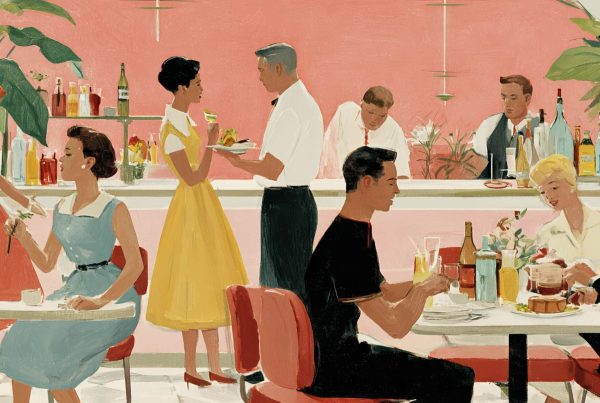
Implement repeatable processes that maintain quality without constant reinvention.
Restaurant marketing gets sloppy when it depends too much on inspiration. One week the team is energized, posting chef specials, filming the bar team, sharing a packed dining room. The next week, everyone is buried in service, nobody has time to make content, and the brand goes quiet. Then comes the usual panic: “We need fresh ideas.” Most restaurants do not actually have an idea problem. They have a systems problem.
If you want marketing that feels current all year, you need structure behind the creativity. Not rigid, corporate structure that drains the personality out of the brand. Useful structure. Repeatable processes that help your team capture what is already happening, turn it into content quickly, and keep standards high without rebuilding the wheel every month.
The restaurants that market themselves best are rarely the ones chasing every trend. They are the ones with dependable habits. They know what to photograph, when to post, how to brief staff, how to reuse content, and how to keep the brand feeling alive even during the busiest weeks. That is what a good content system does. It keeps the marketing fresh because the process is steady.
Stop treating content like a separate job
One of the biggest mistakes restaurant operators make is treating content creation like some extra department floating outside the actual business. In reality, the best restaurant marketing is already happening on the floor, at the expo line, behind the bar, during prep, in team meetings, in guest interactions, and in the natural rhythm of service. The problem is not lack of material. It is lack of capture.
A strong content system starts by tying marketing to operations. If the kitchen changes seasonal produce, that is content. If the bar team launches a new cocktail program, that is content. If servers have a great story about a regular who comes in every Friday, that is content. If your pastry chef is obsessive about one detail, that is content too. The brand gets stronger when marketing reflects the real life of the restaurant instead of looking like it was assembled from random promo shots and holiday graphics.
This means your team should not ask, “What should we post?” as often as they ask, “What happened this week that shows who we are?” That is a much better question. It produces more grounded, more persuasive marketing because it forces the restaurant to document reality instead of inventing fake moments.
Build this into your workflow. Set one person to gather moments each shift or each week. Not necessarily a full-time marketer. It could be a manager, a host, a server with a good eye, or an agency partner working from a clear brief. The point is that content collection needs ownership. If everyone is responsible, nobody is responsible.
Create recurring content pillars that match how restaurants actually operate
Restaurants burn out on content because they keep trying to be original from scratch. That is a losing strategy. The smarter play is to define a handful of recurring content pillars that make sense for the business and can be repeated without feeling repetitive.
For most restaurants, those pillars are not complicated. They usually include food, drinks, people, atmosphere, guest experience, local relevance, and offers or events. That is enough. Within those categories, there is enormous room for variety. A pasta dish one week, a bartender feature the next, a patio scene after that, then a chef quote, then an event reminder, then a quick story around sourcing. Freshness does not come from inventing brand-new categories. It comes from rotating strong ones well.
Here is where a lot of restaurant brands get too cute. They chase gimmicks instead of committing to the basics. The basics work. People want to see the food. They want to understand the mood. They want to know what kind of experience they are walking into. They want social proof that real people enjoy being there. They want reasons to visit now, not eventually. If your content system reliably delivers those things, you are already ahead of most competitors.
A simple monthly framework is often enough. For example: one chef or staff story, two dish spotlights, one drink feature, one atmosphere post, one guest-facing event or offer post, one educational or behind-the-scenes piece, and one community or neighborhood tie-in. That does not lock you into a formula. It gives you a dependable mix so the feed does not become either too salesy or too random.
The key is making these pillars operational. Write them down. Define what each pillar includes. Show examples. Clarify tone. Once that exists, your team can produce faster and with more consistency.
Build templates, not scripts
There is a difference between repeatable and robotic. Good content systems create templates, not canned marketing. Restaurants still need voice, texture, and personality. But they should not need to reinvent every caption, every email, every promo structure, or every campaign calendar from scratch.
Templates save time where time should be saved. Think caption structures, shot lists, approval workflows, email layouts, monthly planning sheets, campaign briefs, and promo checklists. A dish spotlight can follow a loose formula: what it is, why it matters, a sensory detail, and a soft call to visit. A staff feature can follow another: role, personality, point of view, favorite item, and one quote. An event promo can use a standard structure too: what, when, why it is worth showing up, and how to book.
These frameworks help maintain quality because they reduce guesswork. They also make delegation easier. If a manager or coordinator knows the format, they can produce content that still feels on-brand even if the owner is not personally writing every word. That matters because restaurant marketing usually breaks down at exactly the moment the owner becomes the bottleneck.
My take is that many restaurants overvalue spontaneity and undervalue consistency. They assume systems will make the brand feel bland. Usually the opposite happens. Without systems, marketing becomes erratic and generic because everyone is rushing. With systems, the team has enough breathing room to make the content better.
Use a seasonal engine instead of constant campaign panic
Restaurants naturally move through seasons, but many still market like every month is an isolated emergency. That is exhausting. A better system is to create a seasonal content engine that works in cycles.
Start with your fixed points for the year: holidays, weather shifts, local events, menu changes, patio season, private dining pushes, catering moments, game days, graduation season, and gift card periods. Then map content around those moments well in advance. Not every post needs to be prewritten, but the themes should be planned. This gives the team direction while leaving room to respond to what is happening in real time.
The important part is not just planning promotions. It is planning supporting content. If Mother’s Day is a priority, do not just post one reservation graphic three days before. Build a runway: brunch visuals, a chef mention, an ambiance post, a reminder about booking, maybe a staff note about hosting family celebrations. Better marketing feels intentional because it layers attention over time.
The same applies to slower periods. Restaurants often disappear when business softens, when that is exactly when marketing should get sharper. A good system identifies likely dips and prepares content in advance to maintain momentum. Maybe that means a weekday special, a neighborhood-focused message, more bar content, or a series that highlights the comfort and consistency of the restaurant experience.
Freshness is not about constant novelty. It is about relevance. Seasonal systems help you stay relevant without scrambling.
Collect more raw material than you think you need
If there is one practical habit I would push almost every restaurant to adopt, it is this: capture content continuously, not only when you need it. That means photos, short videos, team quotes, guest reactions, prep details, plating shots, room scenes, and notes about what sold well or what guests commented on. Build a content library before you are desperate for one.
Too many restaurants only gather assets during a formal shoot, then stretch those images for months until everything starts feeling stale. Professional shoots are useful, but they should not be the entire content strategy. Day-to-day brand energy comes from current material. A lively Friday service, a new garnish, a line cook’s perspective, the way light hits the dining room at 6:30. Those details keep the marketing honest.
Set a manageable rhythm. Maybe every Tuesday the manager uploads ten photos and three short clips. Maybe every Friday the team logs customer FAQs and notable moments. Maybe once a month someone sorts the best assets by category so they are easy to find later. The system matters more than the exact method.
What you are trying to avoid is the last-minute hunt for anything usable. That is when standards slip. That is when brands post weak photos, generic graphics, or empty captions because there is no better option. Quality gets easier when the archive is healthy.
Measure what helps you make better decisions
Not every piece of restaurant marketing needs a full analytics deep dive, but some measurement is necessary if you want the system to improve. The mistake is tracking vanity metrics in isolation. A post with high reach is not automatically doing its job. A lower-reach post that drives reservations or private event inquiries may be far more valuable.
Focus on practical signals. Which posts lead to booking clicks? Which email subject lines get opened? Which specials get saved or shared? Which content themes create actual guest conversation in the restaurant? What do people mention seeing online before they visit? Those are useful feedback loops.
Review performance monthly, not obsessively daily. Look for patterns, not miracles. Maybe your audience responds more to staff-driven content than polished menu graphics. Maybe cocktail videos outperform static food shots. Maybe event content needs a longer runway. Those findings should inform the system. The whole point of repeatable marketing is that it gets smarter over time.
I would also argue that restaurants should pay closer attention to qualitative feedback. If guests consistently mention your patio, your hospitality, your wine list, or a particular dessert after seeing content online, that tells you something important about brand perception. Numbers matter, but so does what sticks in people’s minds.
Consistency is the brand advantage most restaurants ignore
There is a weird belief in restaurant marketing that freshness means endless reinvention. It does not. In fact, constant reinvention is usually a sign that the fundamentals are weak. Great restaurant brands know who they are. They repeat themselves in smart ways. They reinforce the same strengths from different angles. They make it easy for customers to remember them.
That is why content systems matter. They let you stay active without becoming chaotic, structured without becoming stale, and creative without relying on last-minute bursts of energy. They protect quality because they reduce random decision-making. They keep the brand alive because they turn everyday restaurant reality into a steady stream of useful, persuasive content.
If your marketing currently feels inconsistent, the answer is probably not more brainstorming. It is better process. Define your pillars. Assign ownership. Create templates. Plan by season. Capture continuously. Review and adjust. Do that well, and the brand will stop feeling like it has to start over every month.
That is the real win: marketing that stays fresh because the system behind it is stable.