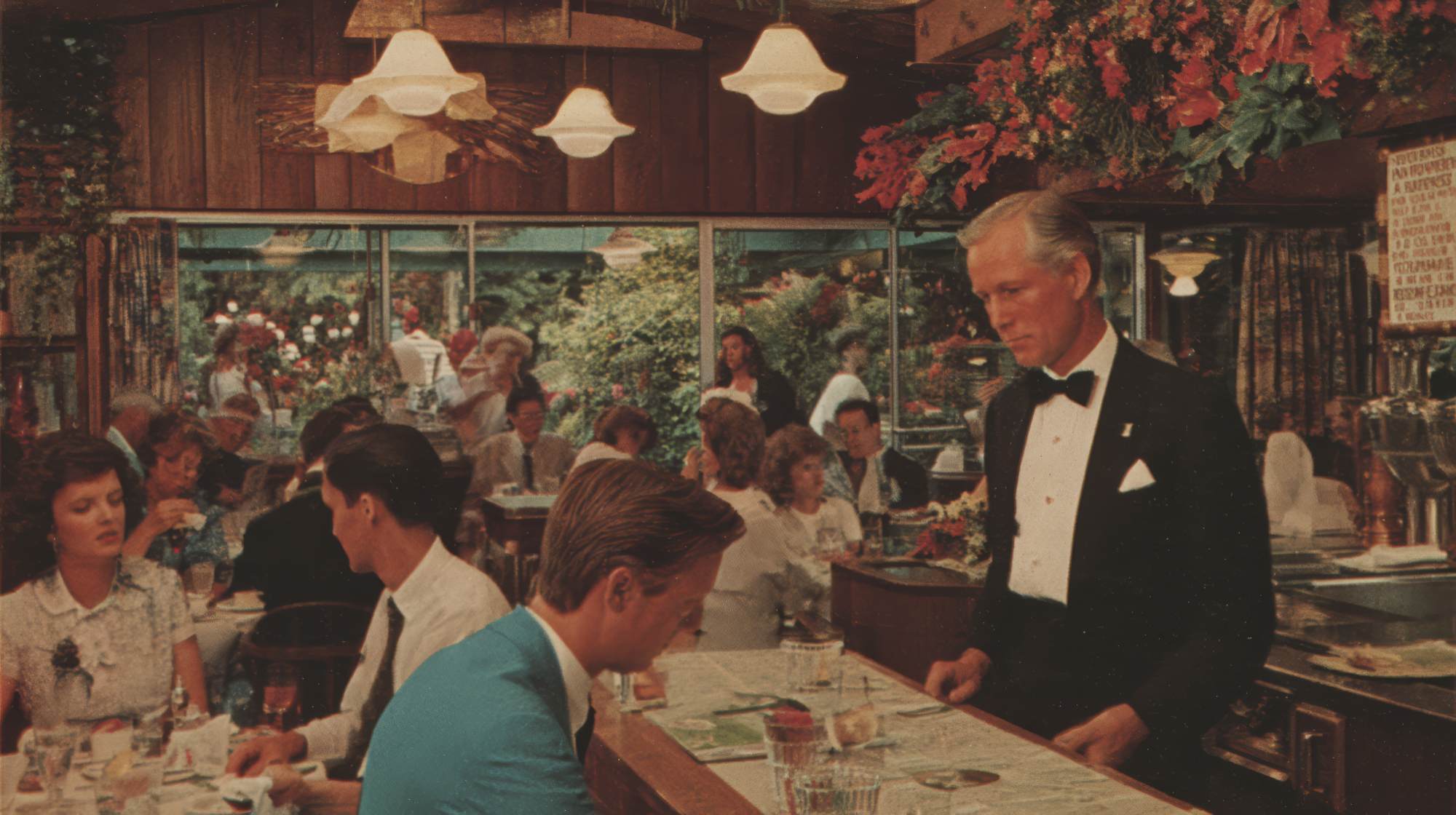
Clarity in communication builds long-term guest loyalty.
Restaurant marketing gets talked about like it’s mostly a traffic problem: more impressions, more clicks, more reservations, more orders. And yes, reach matters. But a lot of restaurants don’t have a reach problem as much as they have a recognition problem. Guests see the Instagram post, open the email, glance at the menu copy, maybe even call the host stand—and each touchpoint feels like it belongs to a slightly different business.
That disconnect is more expensive than most operators realize.
A restaurant’s brand voice is not just a tone choice for social media captions. It’s the personality and point of view that shapes how the restaurant sounds everywhere: on the website, in reservation confirmations, in paid ads, in signage, on delivery apps, in review responses, and in the way staff describes the specials. When that voice is consistent, the brand feels trustworthy. When it’s inconsistent, the guest does extra work to figure out who you are, what kind of experience you offer, and whether you’re worth returning to.
In hospitality, confusion is friction. And friction quietly kills repeat business.
Consistency is not boring—it’s what makes a brand memorable
Some restaurant teams resist the idea of consistency because they think it means sounding scripted or repetitive. It doesn’t. A strong brand voice should feel recognizable, not robotic. There’s a difference.
The best restaurant brands know exactly how they want guests to feel, and they communicate that feeling in every channel. A neighborhood bistro might sound warm, informed, and a little witty. A high-end tasting menu concept might sound precise, restrained, and deeply confident. A family-friendly pizza brand might sound energetic, generous, and easygoing. None of those voices are “better” than the others. What matters is commitment.
If your Instagram sounds playful, your website sounds corporate, your email promotions sound desperate, and your in-store signage sounds generic, guests don’t experience your brand as a whole. They experience fragments. That weakens recall.
And recall is a huge part of restaurant marketing. Most guests are not making restaurant decisions in a vacuum. They’re comparing options, scanning quickly, and relying on gut-level impressions. A consistent voice helps your restaurant feel familiar before the guest even walks through the door. Familiarity lowers hesitation. Lower hesitation drives action.
This is especially true for independent restaurants competing against chains with bigger budgets. Chains often win on consistency, not originality. Independent restaurants can absolutely outperform them, but only if they stop treating communication like an afterthought.
Guests notice mixed messages faster than operators do
Inside the business, it’s easy to rationalize inconsistencies. One manager writes the emails. A host updates the Google Business Profile. A freelancer handles social. The chef rewrites the menu descriptions. Someone at the POS company uploaded the online ordering text. Every piece may look fine on its own. But to the guest, it can feel disjointed in a second.
Here’s what that looks like in practice: your social posts promise a fun, relaxed night out, but your reservation emails sound stiff and overly formal. Your website talks about seasonal sourcing with real conviction, but your delivery app listing uses vague, flat menu language. Your in-house signage sounds upscale, while your SMS promotions sound like discount retail. None of this is catastrophic alone. Together, it creates doubt.
And in restaurant marketing, doubt is dangerous. People don’t just buy food; they buy an expectation. They want to know whether your place fits the occasion, the budget, the mood, and the company they’re keeping. A clear, repeated voice helps answer those questions quickly.
I’d go further: inconsistency often gets misdiagnosed as a conversion issue. Operators think they need a better offer, more ad spend, or a redesigned website. Sometimes they simply need the brand to sound like itself everywhere. Before you spend more money driving traffic, make sure the experience those guests land on feels cohesive.
Brand voice should show up well beyond social media
Too many restaurants limit “brand voice” to Instagram captions. That’s the flashy channel, so it gets attention. But some of the most important guest trust-building moments happen in quieter places.
Your website matters because it’s often where people go when they’re close to making a decision. If the copy is generic, outdated, or written like a template, it weakens confidence. A restaurant website should sound like the place itself—not like a software provider wrote it.
Your reservation flow matters too. Confirmation emails, reminder texts, cancellation policies, and waitlist messages all shape perception. These messages are operational, yes, but they’re still brand communication. A thoughtful tone can reduce friction and make policies feel easier to accept. A cold or inconsistent tone can make even standard procedures feel unfriendly.
Your menu is another major voice carrier. Menu language should reflect the kind of dining experience you’re selling. If your restaurant prides itself on craft, your descriptions should feel intentional. If your brand is approachable and casual, don’t suddenly sound precious on the menu. Guests pick up on that mismatch immediately.
Review responses are one of the most underrated voice opportunities in restaurant marketing. A good response doesn’t just solve a complaint or thank a happy guest—it reinforces who your brand is under pressure. That matters. Anyone can sound polished in a campaign. The real test is whether the brand still sounds like itself when responding to criticism, confusion, or operational hiccups.
Even internal communication matters. If ownership says the brand is warm and generous, but staff scripts sound transactional, the guest experience will expose the gap. Brand voice is not a marketing department ornament. It’s part of operations.
What consistency actually looks like in a restaurant brand
Let’s make this practical. Consistent brand voice does not mean using the same words over and over. It means your communication shares the same core traits no matter where it appears.
A restaurant with a clear voice usually knows the answers to a few simple questions:
How do we want guests to describe us after interacting with us?
What do we sound like when we’re welcoming people?
What do we sound like when we’re explaining something important?
What do we sound like when there’s a problem?
What words feel natural to us, and what language feels off-brand?
For example, maybe your brand voice is confident, warm, and knowledgeable. That can translate differently by channel without losing consistency. On social, that might mean friendly captions with a bit of point of view. On the website, it might mean clean, direct copy that communicates quality without overselling. In email, it could mean simple, useful language that respects the reader’s time. In review responses, it may sound calm, empathetic, and grounded.
The voice flexes, but the personality stays intact.
This is where a lot of restaurants get tripped up. They confuse channel strategy with personality shifts. Yes, each platform has different norms. But your restaurant should not sound like a different company on each one. Guests should be able to recognize the same brand whether they encounter you in a paid ad, a hostess script, or a post about the weekend brunch menu.
How to build a voice system your team can actually use
If you want consistency, make it easier for your team to achieve it. Most inconsistency happens because the brand lives in someone’s head instead of in a usable system.
Start by defining three to five voice traits. Not ten. Keep it tight. Think in clear terms like: welcoming, sharp, relaxed, polished, playful, informed, neighborly, or bold. Then define what each trait means in practice. “Warm” is nice, but vague. “Warm means we sound attentive and human, never stiff or overly formal” is useful.
Next, create a short list of do’s and don’ts. This is where the real value is. For example:
Do write like a person, not a brochure.
Do explain details clearly without sounding defensive.
Do use specific language about ingredients, atmosphere, and service.
Don’t rely on clichés like “mouthwatering” or “unforgettable experience.”
Don’t swing into hard-sell language every time you promote an event.
Don’t sound luxury-focused if the in-person experience is intentionally casual.
Then audit your high-visibility channels: website homepage, About page, menu descriptions, reservation emails, Google Business Profile, Instagram bio, top-performing social posts, online ordering text, and review responses. You’ll find the gaps quickly.
After that, give your team examples. A voice guide without examples is theory. Show them what an on-brand event post looks like, what an on-brand apology sounds like, what an on-brand menu description feels like. This is especially helpful for restaurants where multiple people create content or communicate with guests.
Finally, revisit the voice as the business evolves—but don’t reinvent it every quarter. Restaurants don’t need brand mood swings. They need recognizable clarity.
The payoff: stronger loyalty, better word-of-mouth, less wasted marketing
When a restaurant communicates consistently, guests feel like they know the place before they arrive. That confidence carries into the booking decision, the dining experience, and the likelihood of return. It also improves the quality of word-of-mouth, because people can describe your restaurant more clearly to others.
That’s the part many operators underestimate. A consistent voice doesn’t just help you talk to guests; it helps guests talk about you. And if your marketing depends at all on local reputation, repeat traffic, private dining inquiries, or community presence, that matters enormously.
There’s also a financial benefit. Consistent branding makes every campaign work harder because you’re not reintroducing yourself from scratch each time. Your promotions feel more credible. Your content becomes more recognizable. Your emails feel more connected to the in-person experience. Your advertising stops overcompensating for a fuzzy identity.
In a crowded market, restaurants often assume they need to shout louder. Usually, they need to sound clearer.
The restaurants that build real loyalty are not always the ones with the trendiest visuals or the biggest social following. They’re the ones that create a dependable sense of who they are, every time a guest encounters them. In hospitality, trust is built in small moments. Brand voice shapes many of those moments—quietly, repeatedly, and powerfully.
If your restaurant wants stronger retention, better brand recall, and marketing that feels less scattered, this is one of the smartest places to focus. Get the voice right. Keep it consistent. Let guests feel the same brand at every touchpoint.
That’s not cosmetic. That’s strategy.